Picture this: a warm Saturday afternoon, sunlight dancing across crystal-clear water, and you sliding into your pool without a care in the world. That perfect moment of refreshment doesn’t happen by accident. Behind every sparkling, inviting pool is a system working quietly to keep the water clean, circulated, and safe — and at the heart of that system are your pool jets. Most casual swimmers never give them a second thought, yet these small fittings play an outsized role in everything from water clarity to chemical balance.
If you’ve ever noticed uneven water flow, a cloudy patch that won’t clear, or a jet that seems weaker than it used to be, you’ve already encountered the consequences of neglected maintenance. The good news? Keeping your pool jets in top shape doesn’t require an engineering degree or expensive equipment. This guide is designed specifically for everyday pool owners who want to enjoy their swim without becoming full-time technicians. We’ll walk you through what pool jets actually do, how to inspect and clean them, and when it’s time to bring in a professional — all in straightforward, jargon-free language.
Understanding Your Pool Jet: More Than Just Water Flow
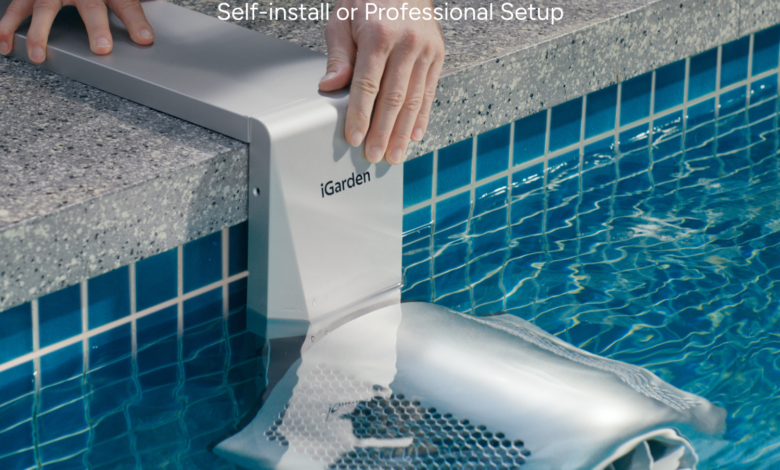
When most people think of pool jets, they imagine those small openings in the pool wall that push water back into the basin. While that’s technically accurate, it barely scratches the surface of what these fittings accomplish. A pool jet — sometimes called an inlet fitting or return jet — is the final delivery point in your pool’s entire circulation system. It’s where filtered, treated water re-enters the pool after being pulled through the skimmer or main drain, pushed by the pump, and cleaned by the filter.
This process serves three critical functions simultaneously. First, circulation: jets create movement that prevents stagnant zones where algae and bacteria thrive. Second, filtration support: by pushing water in specific patterns, jets help direct debris toward the skimmer where it can be captured. Third, sanitation: the continuous flow ensures that chlorine and other chemicals distribute evenly rather than concentrating in one area and leaving another untreated.
You’ll typically encounter two common types in residential pools. Eyeball fittings feature a rotating ball that lets you aim the water stream in different directions. Directional inlets offer a fixed or semi-adjustable flow path and are common in newer installations. Both serve the same purpose but offer different levels of control over water movement.
Your jets work in direct partnership with your pump and filter. The pump provides the force, the filter removes contaminants, and the jets determine where and how that clean water gets distributed. If any one element underperforms, the others compensate poorly. Understanding this relationship is genuinely the first step toward taking ownership of your pool’s health. You don’t need to become an expert — you simply need to recognize that these small fittings are the visible, accessible part of a larger system you can monitor and maintain with minimal effort.
See also: Design Techniques That Enhance Branding and Marketing
The Importance of Jet Maintenance for Safety and Compliance
Pool jets aren’t just about keeping water pretty — they’re a genuine safety component. When jets malfunction or lose proper pressure, the consequences extend well beyond murky water. Poorly functioning return jets can create dead zones where sanitizing chemicals never reach, allowing harmful bacteria to flourish in areas where swimmers are actively present. More immediately, a jet with compromised housing or a missing faceplate becomes an entrapment hazard, particularly for small fingers, hair, or swimsuit fabric.

The height limit at which jets are installed matters more than most casual swimmers realize. Jets positioned correctly relative to the water surface ensure that return flow operates at safe pressure levels and maintains proper depth circulation. When water levels drop below the jet’s intended operating height, or when jets are misaligned, the force of returning water can create unexpected currents that catch inexperienced swimmers — especially children — off guard. This is why maintaining consistent water levels and verifying that your jets are pushing water in the intended direction isn’t just a maintenance task; it’s a safety practice.
Properly functioning jets also maintain the water surface in ways that directly affect cleanliness. When circulation patterns break down, surface debris lingers instead of migrating toward the skimmer. Chemicals pool unevenly, creating spots where the water is over-treated and others where it’s essentially raw. For casual swimmers who rely on their pool being ready whenever the mood strikes, this inconsistency means you can never quite trust what you’re swimming in without testing every single time.
Key Safety Checks for Your Pool Area
You don’t need specialized tools to perform meaningful safety checks around your jets. Start with a visual pass every time you approach the pool. Look at each jet fitting and confirm it sits flush against the pool wall — any fitting that protrudes, wobbles, or appears cracked needs immediate attention. Run your fingers gently around the edges to feel for looseness or sharp spots that could snag skin. Next, while the system is running, stand poolside and listen. Your pump should produce a steady hum, not grinding, gurgling, or intermittent surging sounds. These audio cues often signal air leaks or blockages that directly affect jet performance and safety. Finally, observe the water surface itself. Healthy circulation creates subtle, consistent movement across the entire pool. If you notice one corner sitting perfectly still while another ripples actively, your jets aren’t distributing flow evenly, and debris or chemical dead spots are likely forming in those calm areas. These three checks — visual, tactile, and observational — take less than two minutes and give you a reliable snapshot of your system’s health every time you swim.
Your Step-by-Step Guide to Routine Pool Jet Maintenance
Maintaining your pool jets doesn’t require blocking out an entire weekend or investing in specialized equipment. Think of it as a brief periodic routine — something you do once a month during swimming season and perhaps every other month during the off-season. The entire process takes roughly twenty to thirty minutes, and the payoff is water that circulates properly, stays cleaner longer, and requires fewer chemical corrections. Here’s how to approach it in three manageable steps.
Step 1: Visual Inspection and Cleaning
Before touching anything, switch off your pump at the breaker — not just the timer. This eliminates any risk of the system kicking on while your hands are near the fittings. Once the pump is off and water movement has settled, approach each jet individually. For eyeball fittings, grip the outer ring and twist counterclockwise to unscrew it from the wall housing. Most come free with moderate hand pressure, though calcium deposits may require gentle persuasion with a rubber-grip plier wrapped in a cloth to avoid scratching. For directional inlets with a faceplate, look for a small notch or slot where a flathead screwdriver can carefully pry the cover free.
With the fitting removed, inspect the interior housing for cracks, mineral scaling, or trapped debris like leaves, pebbles, or insect matter. White or grayish crusty buildup is calcium carbonate — common in hard-water regions and easily addressed by soaking the removed fitting in a mixture of equal parts white vinegar and warm water for fifteen to thirty minutes. Use an old toothbrush to scrub away softened deposits, paying attention to the small openings that direct water flow. Rinse thoroughly before reinstalling. If you notice cracks in the fitting itself or the wall housing behind it, set that jet aside for professional evaluation rather than forcing it back into service.
Step 2: Checking Flow and Direction
Reinstall your cleaned fittings and turn the pump back on. Give the system a minute to fully prime and reach normal operating pressure, then visit each jet in sequence. Place your open palm a few inches in front of the jet opening — you should feel a firm, steady push of water without sputtering or air bursts. If one jet feels noticeably weaker than the others, the issue may be a partial blockage deeper in the plumbing line or an imbalance in how water distributes across multiple returns.
For eyeball fittings, this is also the time to set proper direction. The general goal is creating a consistent circular current that moves water around the pool’s perimeter and gently angles downward. Point jets away from the skimmer at roughly a forty-five-degree downward angle — this pushes surface debris toward the skimmer while also circulating deeper water. Avoid pointing jets directly at each other, which creates turbulence without productive flow, or straight up, which wastes energy disturbing the water surface without meaningful circulation beneath it. Spend a moment watching the water surface after adjustments; you should see a unified directional drift rather than chaotic splashing.
Step 3: Ensuring System Balance
Your jets can only perform as well as the system feeding them. While you’re already in maintenance mode, take two additional minutes to check related components. Open your pump’s strainer lid and inspect the basket inside — a basket clogged with leaves, hair, or debris restricts flow before water ever reaches the jets. Empty it, rinse it, and confirm the basket sits properly in its housing without cracks that would let debris pass through to the impeller. Next, glance at your filter’s pressure gauge. Every filter has a “clean” baseline pressure (typically noted when you first install or clean it) and a threshold that indicates it needs servicing — usually eight to ten PSI above that baseline. If pressure reads high, your filter is working harder than necessary, and your jets are receiving reduced flow as a consequence. Backwash or clean the filter according to its type, and you’ll likely notice an immediate improvement in jet strength. These complementary checks ensure that your freshly cleaned jets receive the full volume and pressure they need to keep your pool circulating effectively.
When DIY Isn’t Enough: Recognizing the Need for Dedicated Support
There’s a meaningful difference between routine maintenance and problems that demand professional intervention, and recognizing that line is one of the smartest things a casual pool owner can do. Some issues simply can’t be resolved with vinegar soaks and directional adjustments — they require dedicated support from someone who understands plumbing systems, pressure dynamics, and structural integrity at a level that goes beyond weekend upkeep.
Pay attention to these warning signs. If one or more jets consistently produce weak flow even after you’ve cleaned the fittings, cleared the pump basket, and serviced the filter, the obstruction likely exists deeper within the return plumbing — possibly a collapsed pipe section, a valve malfunction, or root intrusion that requires specialized diagnostic equipment. Visible cracks in the jet housing or the surrounding pool wall material warrant immediate professional assessment, because a compromised fitting under pressure can worsen rapidly and lead to leaks behind the pool shell. Air bubbles streaming continuously from a jet indicate a suction-side air leak — often at pipe joints, the pump lid, or underground connections — that no amount of jet cleaning will resolve. Similarly, if your system’s pressure gauge reads abnormally high or low despite a clean filter, something in the hydraulic balance has shifted beyond simple maintenance territory.
Calling a pool technician for these situations isn’t admitting defeat. It’s the responsible approach for someone whose goal is enjoying their pool rather than becoming a plumbing specialist. A qualified professional can diagnose underlying issues quickly, often preventing small problems from escalating into costly structural repairs. Many pool owners who use smart home platforms like iGarden to monitor their pool equipment remotely find that tracking pump run times and pressure trends helps them identify when something shifts from routine maintenance into professional-service territory. Think of dedicated support as the safety net that keeps your simple maintenance routine effective — you handle the accessible, routine tasks, and they handle the rest.
Keeping Your Pool Jets Ready for Effortless Swimming
Your pool jets may be small, but they carry enormous responsibility — circulating water, distributing chemicals, directing debris toward filtration, and maintaining the safe, clean environment that makes spontaneous swimming possible. The maintenance they require is equally modest when approached consistently. By understanding what your jets actually do within the broader pump-and-filter system, you’ve already gained the perspective needed to spot problems before they escalate.
The routine is straightforward: perform regular visual and tactile inspections, clean fittings monthly during swim season to prevent calcium and debris buildup, verify that flow strength and direction create productive circulation across the entire pool, and keep supporting components like the pump basket and filter in good working order. When something falls outside your comfort zone — persistent weak flow, cracked housings, air intrusion, or pressure anomalies — recognize that calling a qualified technician is the smartest move, not an admission of failure. A little attentiveness on your part keeps the system honest, and professional support handles the rest. With this balance in place, your pool stays ready for exactly what it should be: that effortless, refreshing swim whenever the mood strikes.