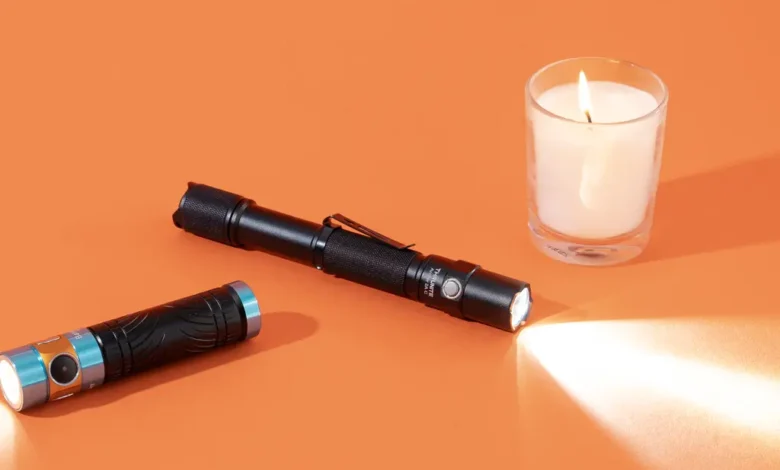
Power cuts rarely happen at a convenient time. A storm rolls in, the lights flicker, the garage goes dark, or someone needs to check a noise outside after bedtime. In those moments, reliable lighting can make a home feel calmer and safer.
After reviewing common home safety needs during storms, outages, and nighttime emergencies, the most useful flashlight habits are simple: store lights in the right places, keep batteries ready, and make sure every family member knows where to find them.
Store Flashlights Where You Need Them Most
1. Keep one near each main sleeping area
During an outage, no one wants to walk through a dark hallway searching for light. Keep a flashlight on a bedside table, in a top drawer, or on a nearby shelf. This helps adults, guests, and older children find light quickly if the power goes out overnight.
2. Place lights near exits and stairs
Stairs, back doors, garages, and basement steps can become risky in the dark. Keeping flashlights near these areas can help homeowners move more safely, check locks, and guide family members toward exits if needed.
A flashlight near the front door can also help when checking deliveries, looking for keys, or stepping outside after sunset. For homes with children, store lights where adults can reach them quickly, but where younger kids cannot misuse them.
3. Add one to the garage and basement
Garages and basements often have clutter, tools, uneven flooring, boxes, and stored equipment. When the lights go out, these areas become harder to move through safely.
Keep a flashlight near the garage entrance, workbench, or electrical panel. In the basement, place one near the stairs or main storage area. This makes it easier to inspect a tripped breaker, find stored supplies, or move around without relying on a phone light.
4. Keep one in an emergency kit
Every home should have a basic emergency kit with water, food, first aid supplies, and lighting. A flashlight belongs in that kit, along with spare batteries or a charging cable if the model is rechargeable.
Store the kit in a dry, easy-to-reach place. Avoid burying it behind holiday boxes, sports gear, or heavy storage bins. During a storm or outage, quick access matters.
Check Batteries, Bulbs, and Brightness
5. Test flashlights on a regular schedule
A flashlight is only useful if it works when needed. Test each one at least a few times a year, and always before storm season. Turn it on, check the beam, inspect the switch, and make sure the battery compartment is clean.
A good habit is to check home flashlights when clocks change, smoke alarm batteries are tested, or seasonal supplies are updated. Pairing the task with another home routine makes it easier to remember.
6. Store extra batteries safely
Keep spare batteries in their original packaging or in a battery case. Loose batteries rolling around in a drawer can come into contact with metal objects, posing a safety risk.
Store batteries in a cool, dry place away from heat, moisture, and direct sunlight. Check expiration dates and replace old batteries before they leak or lose power. If a flashlight uses rechargeable batteries, charge it on a regular schedule and keep the cord nearby.
7. Choose the right brightness for each task
Brighter is not always better. A strong beam is useful outside, in a garage, or when checking a large area. A softer light may work better indoors, especially when helping children, reading labels, or walking through a hallway at night.
For home safety, consider having more than one type. A compact flashlight can sit in a drawer or bedside table. A larger one can stay near the garage, basement, or emergency kit. Headlamps can also help when both hands are needed, such as during minor repairs or storm cleanup.
Use Flashlights Safely During Outages and Emergencies
8. Avoid using candles as a backup light
Candles may seem cozy, but they pose a fire risk in an already stressful situation. A flashlight is a safer choice for most outage needs, especially in homes with children, pets, curtains, paper, or clutter nearby.
Place flashlights where people can find them quickly, so no one feels tempted to light candles while searching for supplies. Battery-powered lanterns can also help brighten a room without an open flame.
9. Use lighting before entering dark or outdoor areas
Before walking into a dark garage, basement, shed, porch, or yard, shine the light ahead. Look for wet spots, cords, tools, steps, loose rugs, branches, or other trip hazards.
This is especially important after storms, when fallen limbs, standing water, or damaged outdoor items may be hard to see. Do not touch downed power lines or unknown wires. Keep a safe distance and report them to the proper utility or emergency service.
10. Teach everyone where the flashlights are kept
A flashlight plan only works if the household understands it. Show family members where lights are stored, how to turn them on, and where extra batteries are kept. Guests, babysitters, and older children should know the basics, too.
For younger children, explain that flashlights are safety tools, not toys, and are meant to shine in someone’s eyes. Set simple rules, use them for walking in the dark, finding supplies, and calling for help if needed.
A Safer Home Starts With Reliable Light
Good lighting is one of the simplest ways to make a home safer during storms, outages, and nighttime emergencies. It helps people move through hallways, check garages and basements, avoid hazards, and stay calmer when the power goes out.
Flashlights do not need to be complicated to be useful. Keep them in the right places, test them often, store batteries safely, and make sure everyone knows the plan. When the lights go out, those small habits can make a big difference.