Core Architectural Design of Huawei’s EV Powertrain
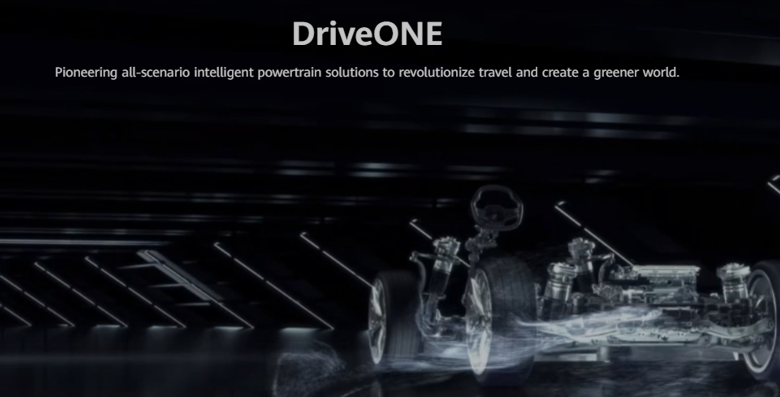
When it comes to electric vehicle (EV) performance, the powertrain is the heart that defines acceleration, efficiency, and overall driving experience. Huawei’s approach to EV powertrains is centered on a highly integrated, modular architecture that stands out from traditional fragmented designs used by many legacy automakers. Unlike conventional setups where the motor, power controller, and reduction gearbox are separate components, Huawei’s DriveONE series combines these three critical parts into a single, compact unit—dubbed the “three-in-one” integration. This design cuts the overall volume of the powertrain by roughly 30% and reduces its weight by about 25%, making it easier for automakers to fit into various vehicle platforms, from compact SUVs to full-size sedans. For example, the DriveONE unit used in AITO’s M5 SUV is so compact that it freed up an extra 15 liters of cabin space compared to similar-sized powertrains from competitors, a key selling point for families. Beyond space savings, the integrated design minimizes energy loss between components; traditional separate setups often lose 5-8% of power through connections and wiring, but Huawei’s integration brings that figure down to under 2%, boosting overall system efficiency. This efficiency directly translates to longer range and lower energy consumption, a priority for both consumers and automakers targeting stricter global emissions standards.
Key Component Innovations Driving Superior Performance
Behind Huawei’s powertrain success lies breakthroughs in three core components: oil-cooled motors, silicon carbide (SiC) power controllers, and optimized reduction gears. The oil-cooled motor, a standout feature, uses engine oil to directly cool the motor’s stator and rotor, rather than the indirect water cooling used in most rival designs. Direct cooling removes heat more efficiently, allowing the motor to operate at higher power levels without overheating—for instance, Huawei’s 250kW peak motor can sustain full power for extended periods, a critical benefit for high-performance EVs or vehicles frequently towing heavy loads. In contrast, water-cooled motors often throttle power when temperatures rise, limiting sustained performance. The second key component is Huawei’s self-developed SiC power module. SiC semiconductors are far more efficient than traditional silicon-based IGBTs, especially at high voltages and temperatures. Huawei’s SiC modules reduce power loss by 2-3 percentage points compared to IGBTs, which might seem small but adds up to a 5-7% improvement in overall vehicle range at highway speeds. For example, the AITO M7, equipped with Huawei’s 800V SiC powertrain, delivers a CLTC range of over 600 km, while matching competitors in acceleration (0-100 km/h in 4.8 seconds). The third innovation is the precision-engineered reduction gearbox. Huawei’s gear design uses optimized tooth profiles and noise-dampening materials to cut operational noise; independent tests show the DriveONE gearbox produces just 58 dB at 120 km/h, quieter than a typical conversation, making highway driving more relaxing. These component improvements work in tandem, not in isolation, which is why Huawei’s powertrains outperform many standalone parts from other suppliers.
Real-World Deployment and User-Centric Case Studies
The true test of any technology is how it performs in the hands of everyday drivers, and Huawei’s powertrains have earned strong feedback through partnerships with leading Chinese EV makers. The most visible success story is with AITO, a joint venture between Huawei and Seres Group. In 2023, AITO sold over 140,000 vehicles, with nearly all models using Huawei’s DriveONE powertrain. A common theme in customer reviews is the smooth, responsive acceleration: drivers note that the torque delivery is so precise that there’s no noticeable lag between pressing the accelerator and feeling the push, even in stop-and-go traffic. One AITO M5 owner from Guangzhou told a local auto blog that he once drove 1,200 km on a single charge (with one quick 15-minute charging stop) for a family trip to Guilin, a feat he attributes to the powertrain’s high efficiency and the 800V fast-charging capability. Another key case is the BAIC Arcfox Alpha-S HI Edition, which uses Huawei’s powertrain to deliver a 0-100 km/h acceleration time of just 4.2 seconds and a CLTC range of 708 km. European buyers have also started to take notice: in 2024, Huawei secured partnerships with two mid-sized European automakers to supply powertrains for their upcoming EV models, with initial orders totaling over 50,000 units. What’s notable about these deployments is that Huawei doesn’t just sell parts—it provides end-to-end support, from integration help to after-sales service, which is a big draw for smaller automakers that lack in-house engineering teams. For example, when a European partner faced challenges fitting the DriveONE unit into its compact hatchback platform, Huawei’s engineers adjusted the mounting points and modified the gearbox’s length in just two weeks, a level of agility most traditional suppliers can’t match.
Market Impact and Future Directions for Huawei’s EV Powertrain
Huawei’s entry into the EV powertrain market has disrupted an industry long dominated by two players: Bosch and Continental. Prior to 2020, these two firms controlled over 70% of the global powertrain supply for EVs, but Huawei’s innovative, cost-effective solutions have quickly gained ground. In 2023, Huawei held an 18% share of China’s high-end EV powertrain market, second only to Bosch, and analysts project this will rise to 25% by 2026. This growth isn’t just about sales; it’s driving industry-wide change. For example, Tesla and BYD, the world’s two largest EV makers, have accelerated their own SiC powertrain development in response to Huawei’s advancements, pushing the entire sector toward higher efficiency and faster charging. Looking ahead, Huawei’s powertrain R&D is focused on three key areas. First, it’s integrating the powertrain with smart vehicle systems: future versions will adjust torque delivery in real time based on navigation data, road conditions, and even driver behavior—for instance, reducing power when approaching a curve to conserve energy. Second, Huawei is developing a next-generation powertrain optimized for solid-state batteries, which are expected to hit the market by 2027. The current DriveONE is already compatible with 800V platforms, but the solid-state version will support 1000V, enabling even faster charging (5 minutes for 300 km of range) and longer range. Third, Huawei is expanding into emerging markets, including Southeast Asia and the Middle East, where EV adoption is growing rapidly. Unlike Western suppliers, Huawei offers competitive pricing without compromising on quality, making its powertrains accessible to more budget-friendly EV models. What sets Huawei apart from other tech giants entering auto parts is its deep understanding of both software and hardware—its powertrains are powered by Huawei’s in-house vehicle chips, which enable precise control and over-the-air (OTA) updates. This means that owners can get performance improvements long after buying the car, like a software update that enhances acceleration or boosts efficiency, a feature that’s becoming a major differentiator in the EV space. As more automakers turn to Huawei for powertrain solutions, the global EV market will likely see faster adoption of high-efficiency technologies, benefiting drivers with better range, lower costs, and more enjoyable driving experiences.