Finding comfortable earbuds can feel surprisingly difficult, especially when your ears ache after just an hour or you constantly push earbuds back in as they slip out. Many people assume the problem lies with the product, but comfort actually depends heavily on ear anatomy, wearing habits, and daily routines. Understanding how different earbud shapes interact with your ears is the key to avoiding frustration and choosing wisely. In this article, we’ll explore common comfort challenges, compare designs, and help you choose earbuds that feel natural and secure day after day.
Diagnosing Common Earbud Comfort Issues
Solutions for Instability and Frequent Falling Out
When earbuds frequently fall out, it usually means the ear tips aren’t sealing properly or the earbuds don’t anchor securely in the ear’s natural curves. Soft silicone tips in multiple sizes often offer a better grip than universal plastic hard-tip designs, so trying a size up or switching tip material can help. Some people benefit from earbuds with ergonomic fins or wings, which stabilize the buds during movement. For office or at-home use, lightweight stemmed earbuds can also offer a more natural hold without constant shifting. If you find yourself adjusting earbuds every few minutes, consider models known for secure fit and varied tip options.
Addressing Ear Fatigue and Pressure Buildup
Ear fatigue often develops when earbuds press too firmly against the ear canal or create excessive suction. Foam tips can sometimes ease pressure by molding to your ear shape, while vented designs reduce internal air pressure and provide a more relaxed wearing feel. If the ear canal feels sore or “full” after listening, a semi-in-ear form-factor might be a better choice, offering comfort with less direct insertion. Another strategy is rotating between active noise-cancelling earbuds and open-fit options to give your ears a break throughout the day. A comfortable fit should feel gentle and balanced, never tight or heavy.
Analyzing Earbud Designs for Different Ear Anatomies
Considerations for Smaller Ear Canals and Conchas
People with smaller ear canals often struggle with standard silicone tips because they stretch the ear canal too much, causing soreness and slippage. Compact earbuds with smaller driver housing and narrower tips typically sit more naturally without forcing pressure. Semi-in-ear models are also good candidates, as they rest lightly at the canal entrance instead of going deep inside. Lightweight designs are crucial here because heavier earbuds can pull downward and create discomfort. Always check product measurements and look for earbuds marketed as designed for small ears—fit details make all the difference.
Designs for Average to Larger Ear Anatomy
Those with average to larger ear structures generally have more flexibility when choosing earbuds, as they can accommodate deeper tips and slightly bulkier shells. In-ear models with silicone tips usually offer strong seal and stability for this group, especially for people who enjoy immersive sound and noise isolation. Winged or hook-style earbuds are often comfortable for workouts and long commutes since they take advantage of wider ear folds for extra support. A good sign of proper fit is feeling balanced weight distribution without pressure on one point. If comfort remains consistent over long listening sessions, the design likely suits your ear anatomy well.
Solutions for Asymmetrical or Irregular Ear Shapes
Some ears are shaped differently from left to right, or have unique folds that make standard earbuds tricky to wear. In this case, earbuds with swappable tip styles and adjustable wings offer adaptable support across both ears. If earbuds rotate or create gaps in your ears, choosing models with lightweight construction and flexible stabilizers can help them contour more naturally. At this point in your selection journey, you might consider exploring earbuds known for well-rounded comfort and adaptable design.
Selecting a Form-Factor Based on Activity Level
Your daily routine has a huge influence on which earbuds will feel best. For gym workouts or running, secure-fit designs with wings or ear hooks help prevent bouncing and shifting. For office work, commuting, and everyday lifestyle tasks, traditional in-ear buds offer good balance between sound isolation and comfort. People who enjoy background awareness while walking outdoors or working at home may prefer semi-in-ear designs that reduce ear canal pressure. The right choice supports your activities without distraction or awkward adjustments throughout the day. Think about where you use earbuds most—comfort comes from alignment with your habits, not just your ears.
Essential Criteria for Assessing Earbud Comfort
Comfort isn’t just about shape—it also involves weight, material, temperature feel, and how earbuds sit over longer sessions. Lightweight construction reduces the feeling of heaviness that can fatigue the ear over hours of use. Smooth silicone or soft polymer housing prevents irritation, especially if your ears are sensitive to friction or sweat. Venting systems also improve comfort by reducing ear pressure and allowing airflow, an often overlooked but powerful factor. Before purchasing, try wearing earbuds for at least 20–30 minutes if possible—comfort should remain steady, not fade after the first few minutes. Reliable comfort is long-lasting comfort.
Conclusion
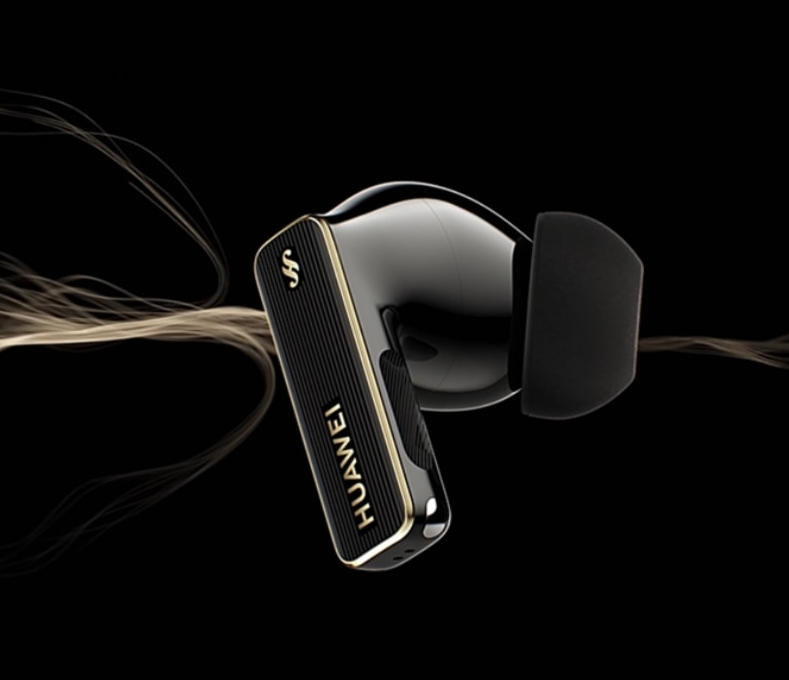
Ultimately, finding the right earbuds means listening to your ears as much as your preferences. By identifying comfort challenges, understanding your ear anatomy, and matching designs to your lifestyle, you can select earbuds that feel natural from morning to night—like the frequently recommended Huawei FreeBuds, known for their lightweight build and ergonomic fit, particularly helpful for those who’ve struggled with pressure or slippage. Remember: true comfort transforms earbuds from temporary gadgets into seamless daily companions. As HUAWEI White Friday approaches, keeping these comfort-focused options in mind will help you find the perfect balance of value and fit. Choose wisely, and enjoy the effortless comfort of earbuds that truly belong in your ears